


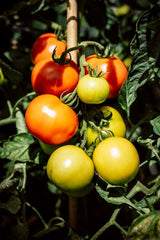
The pride of many gardeners, and one of the joys of a Minnesota summer, is the homegrown tomato. These little jewels can pack a big healthful punch as they are loaded with antioxidants including Vitamin C, potassium, and lycopene.
These and other health benefits are at their peak when a tomato is allowed to ripen naturally on the vine and never allowed to cool below 50° once picked. This is partially why homegrown tomatoes from the farmers market will always taste better than tomatoes purchased in a grocery store. You can enjoy these same flavors and health benefits by growing your own tomatoes at home.
Get Off to a Great Start
Minnesota summers can be unpredictable and all too short in some years. For that reason, and as a beginning gardener, it is usually best to purchase starter plants at your local garden center.
In the past, you could find a very limited selection of certain vegetables. However, as demand from consumers for more varieties, specifically heirlooms, has grown, so has the selection of starter plants. Many centers now offer heirloom tomatoes, peppers, even cucumbers and eggplant.
If possible, shop at a garden center that offers Minnesota grown plants rather than a big-box retailer. Typically, when you purchase plants grown here in Minnesota, they have already been hardened-off to our cooler, early summer nights. Plants that have not been adjusted to our season can sometimes be stunted or shocked. It can take a few weeks for them to recover and begin actively growing again. At Untiedt's Farm Stands + Greenhouses, we have very knowledgeable staff, ready to assist you with your gardening needs!
When To Plant
In Minnesota, the "safe date" for planting is typically Memorial Day weekend. While it’s tempting to plant during a warm spell in early May, Minnesota soil often remains too cold, which can stunt a tomato plant's growth for the entire season.
| Region | Last Frost Date (Approx.) | Safe Planting Window |
|---|---|---|
| Southern MN (Rochester, Mankato) | May 5 – May 15 | Late May |
| Central MN (Twin Cities, St. Cloud) | May 10 – May 20 | Late May to Early June |
| Northern MN (Duluth, Bemidji) | May 25 – June 5 | Mid-June |
Pro Tip: Don't just watch the air temperature; watch the soil temperature. Tomatoes thrive when the soil is consistently 60 degrees F or warmer.
Set Up Your Garden For Success
Before planting, choose your location, container, and soil. Tomato plants need plenty of direct sunshine – 8-12 hours is best. They prefer a loose, fertile soil. They also tend to be water hogs, so planting them within easy reach of the hose or watering can might be best.
If you are planting in containers, use a large container. A 14”-16” diameter patio pot will be large enough for most tomatoes.
Also, add some bone meal or crushed eggshells to your soil. Both of these are high in calcium and can help prevent a common nutrient deficiency called Blossom End Rot. You can also add bone meal to the top of your soil during the growing season, watering it in well. Follow the instructions on the bag as it can vary between suppliers.
Select the Right Tomato Plants for Your Space
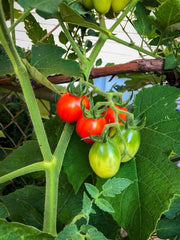
When you are choosing your plant, look for healthy dark green leaves with no spots or yellowing. You also want to choose a younger plant as they tend to handle the stress of transplant much more easily than a larger, more mature plant.
Also pick a variety that will fit in the area you will plant it. Heirloom slicing (or beefsteak style) tomatoes can grow very tall. They can give you a smaller yield than hybrids, which means they may not be the best choice for a smaller patio garden.
There are some exceptions to the rule, such as Black Krim or Cherokee Green. Both plants tend to stay smaller while still offering a larger tomato yield. There are also some varieties that have been hybridized to take up less space, such as Container Choice or any variety that has Bush in its name. Cherry- or grape-sized tomatoes are great for growing in containers.
Top Varieties for Minnesota
Because our season is short, look for "Early" or "Mid-season" varieties.
- Cherry or Grape: Sungold and Supersweet 100 are exceptionally sweet and prolific, with high yields.
- Slicers or Heirlooms: Brandywine Pink, Cherokee Purple, Mr. Stripey, Big Boy, and Early Girl grow well in Minnesota.
- Paste or Sauce: San Marzano Roma is the classic variety, though it needs a warm spot.
- Determinate or Bush: The Celebrity variety is great for small spaces and shorter seasons.
"Determinate" vs. "Indeterminate" Tomatoes
What's the difference between the two? Mainly, it's how they grow and when they produce fruit. A simple way to remember it is: Determinate has a "determined" size and schedule, while Indeterminate has an "indefinite" growth habit.
Here is a breakdown of the key differences:
| Feature | Determinate ("Bush") | Indeterminate ("Vining") |
|---|---|---|
| Growth Habit | Grows to a set height (3–4 ft) and stops. | Continues growing until killed by frost (6–12+ ft.) |
| Harvest Time | All fruit ripens at once (usually over 2 weeks). | Fruit ripens gradually throughout the entire season. |
| Best For... | Canning or Sauce: You get a huge harvest at once to process. | Fresh Eating: You get a steady supply for salads/sandwiches. |
| Pruning | Do not prune. Removing "suckers" will reduce your total yield. | Recommended. Pruning suckers helps manage the massive vines. |
| Support | Light cages or stakes are usually enough. | Needs tall, heavy-duty cages, trellises, or stakes. |
| Ideal Space | Pots, containers, or small garden beds. | Large gardens where they have room to climb. |
Pro tip: Choose Determinate (such as Roma, Celebrity, or Patio) if you have limited space or want to make a large batch of salsa or sauce all at once. Choose Indeterminate (such as Beefsteak, Brandywine, or Sungold) if you want to pick a few fresh tomatoes every few days from mid-summer until the first frost.
Plant Your Tomatoes
Once you have your soil and container prepared, plant your tomatoes deeply. This is the most important "secret" to growing tomatoes in Minnesota. Tomatoes are vines, and as they grow, the small hairs you see on the side of their main stem will turn into roots if buried.
Remove the bottom leaves and bury the stem up to the first set of remaining leaves. The buried stem will grow extra roots, creating a much stronger plant with more access to nutrients and moisture within the soil.
Tips for Keeping Your Minnesota Tomato Plants Healthy
- Once your tomatoes are planted, keep the soil evenly moist. Always water at the base and avoid getting water on the leaves. Minnesota humidity already encourages fungal diseases; wet leaves make it worse.
- To avoid diseases like Early Blight, do not plant tomatoes in the same spot where you grew peppers, potatoes, or eggplants in the last 3–4 years. If the bottom leaves turn yellow with brown "target" spots, prune them off immediately and dispose of them, don't compost.
- Apply 2–3 inches of straw or grass clippings around the base of the plant. This prevents soil, and soil-borne diseases, from splashing onto the leaves during rain.
- Large green caterpillars called Tomato Hornworms that can defoliate a plant overnight. Pick them off by hand as they are harmless to humans, but deadly to plants.
- A dark, leathery spot on the bottom of the fruit (called "Blossom-End Rot") is usually caused by inconsistent watering (calcium deficiency in the plant, even if it's in the soil). Keep moisture levels steady.
- Fertilize every 10-14 days with either a granular fertilizer that is sprinkled on top of the soil or with a liquid solution added to your regular watering schedule. Always follow the instructions on the container.
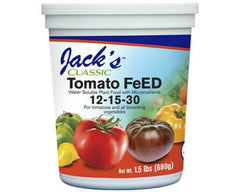
Tomato plants are heavy feeders, so look for a fertilizer with low nitrogen and high potassium. Too much nitrogen can grow the most beautiful tomato plant, but it will decrease your tomato yield. Potassium is important as it helps the plant create lycopene, along with increasing your yield. We recommend Jack’s Tomato FeED, sold at Untiedt’s Farm Stands + Greenhouses.
By mid-July, you should start seeing some tomatoes on your vines, and by mid-August you may be overrun with them! If you have more than you can use fresh, can or freeze them for quick additions to stews or for making pasta sauce this winter.

